Stories are powerful—and not just because they’re entertaining.
Storytelling is a core tool for science education and communication, helping people build connection, deepen understanding, and engage more meaningfully with complex ideas. Through guided practice and thoughtful listening, stories can foster empathy, trust, and curiosity across disciplines and communities.
The Story Collider offers educational workshops and custom programs for faculty, students, scientists, healthcare and public health professionals, patient communities, communications teams, and more.
workshops we offer
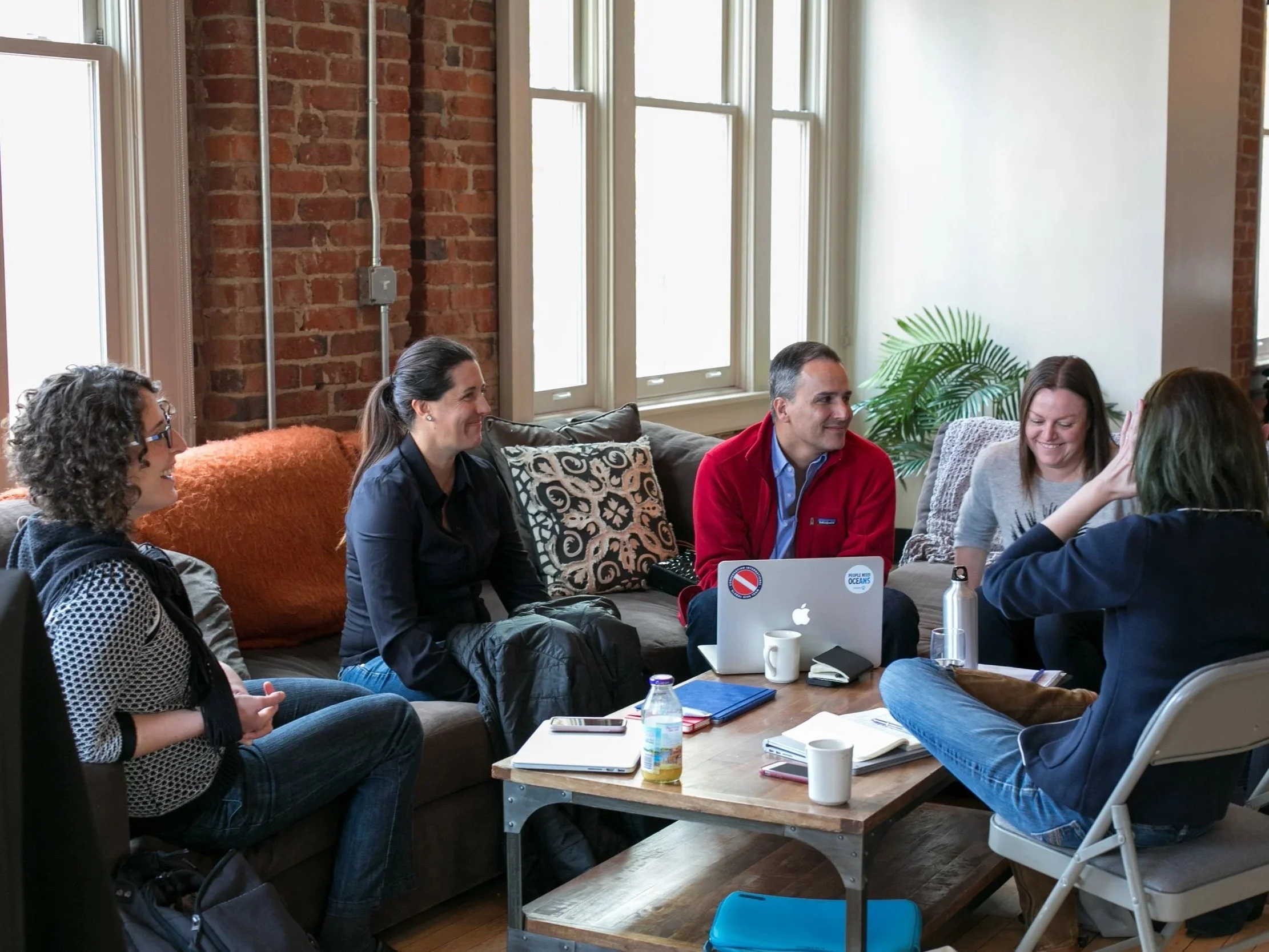
Introduction to Science Storytelling
This interactive workshop introduces participants to The Story Collider’s signature approach to science storytelling, developed over 15 years of producing live shows and podcasts around the world. Participants explore how true, personal stories can make complex science more relatable, human, and memorable. Through guided exercises and examples, the workshop breaks down the fundamentals of narrative, helping participants identify meaningful moments from their own experiences and shape them into stories that foster empathy, trust, and genuine connection with an audience.
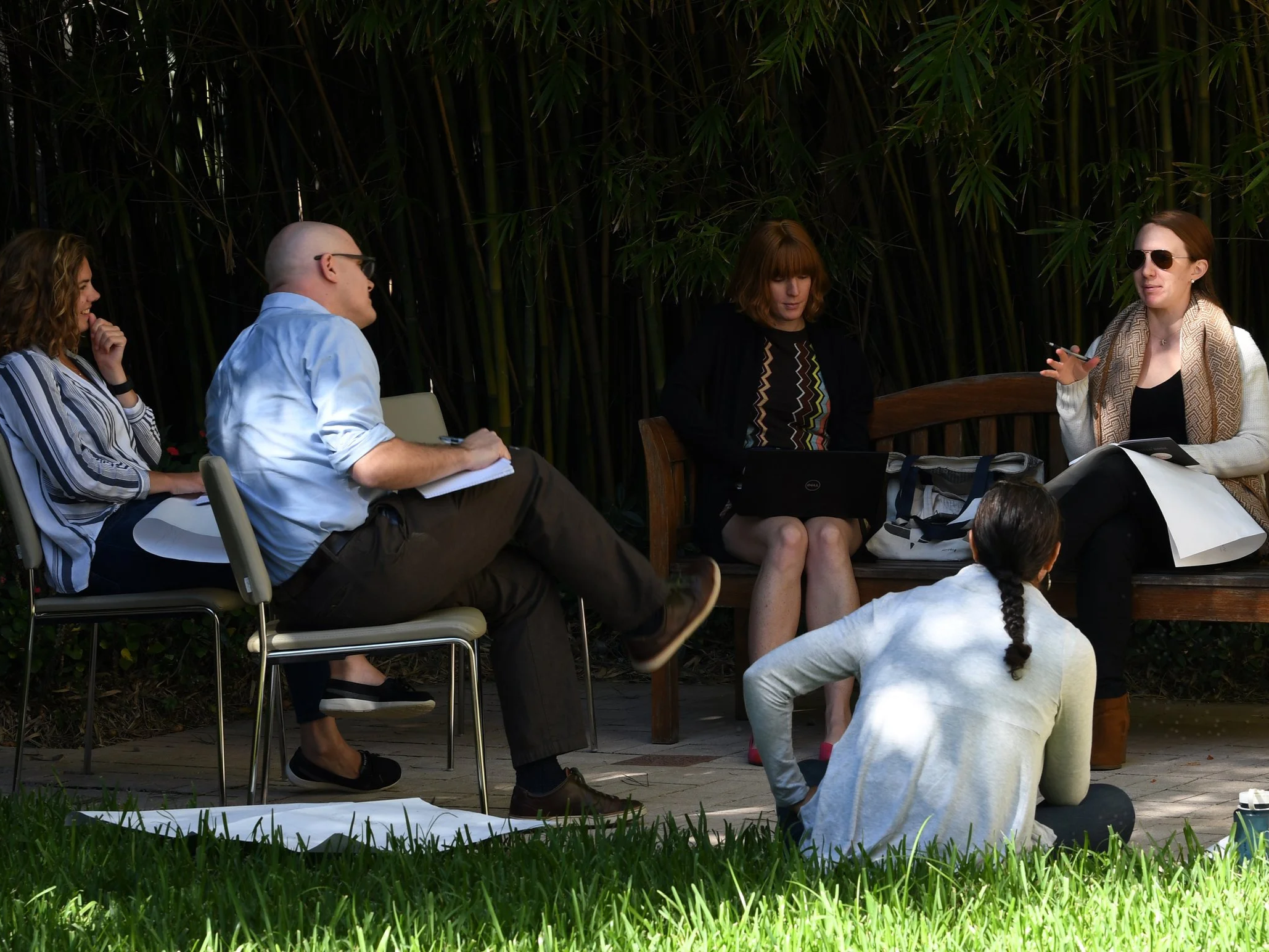
Advanced Science Storytelling
This advanced workshop is designed for participants who already have experience with first-person storytelling and are ready to deepen their craft. The workshop focuses on revision, structure, and performance—helping storytellers move from a solid draft to a refined, audience-ready story. Through close listening, guided feedback, and targeted exercises, participants explore pacing, stakes, clarity, and emotional resonance, while also strengthening their skills as thoughtful story listeners. By the end of the workshop, participants will have significantly revised a true, personal story about science and gained the tools to continue developing their work with intention, confidence, and care.
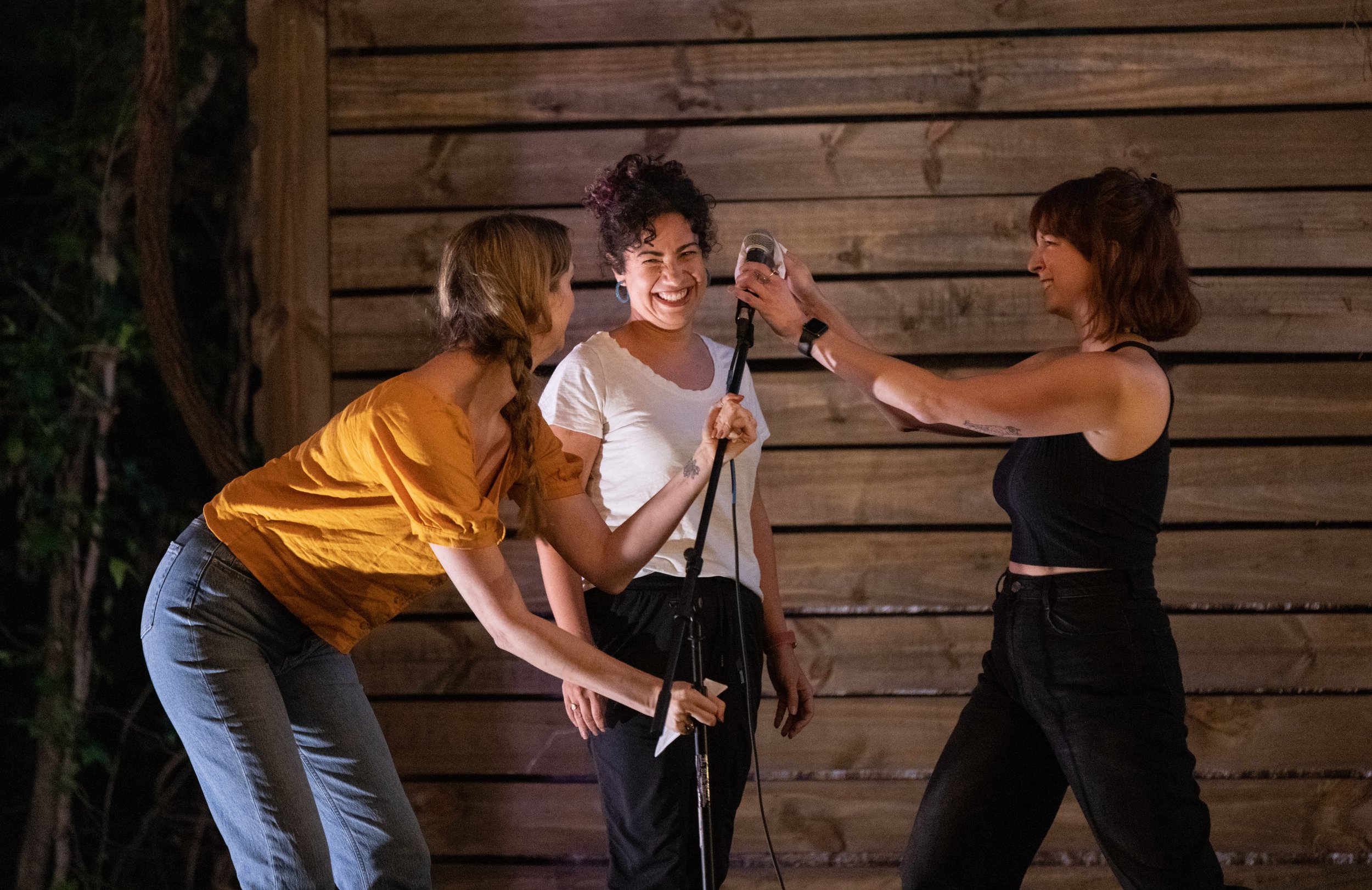
Story Coaching 101
This interactive workshop draws on The Story Collider’s 15 years of experience coaching scientists, researchers, comedians, artists and more to tell true, personal stories about science. Story Coaching 101 introduces participants to our storyteller-led approach to production. Over four sessions, participants will explore how to identify compelling stories, support others through the development process, and use storytelling as a powerful way to build trust, clarity, and impact—on stage, in workshops, or within their own communities.
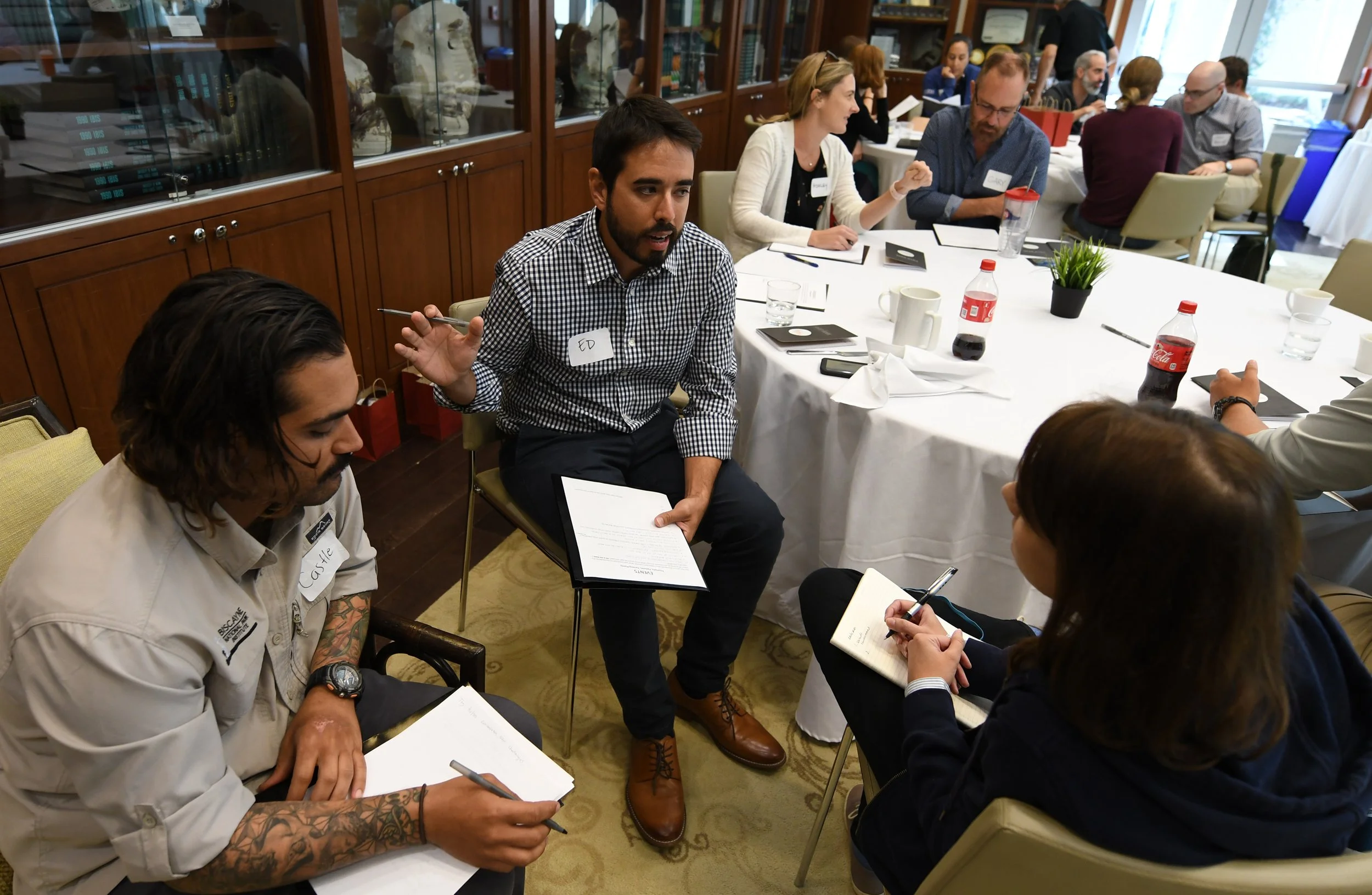
Storytelling for Science Communication
This in-person workshop combines The Story Collider’s 15 years of experience in science storytelling with the Alan Alda Center’s broader approach to science communication. Together, we help participants understand how storytelling fits into a comprehensive communication strategy—one that includes empathy, improvisation, and audience awareness as key components. Over the course of four hours, participants will dive into the craft of narrative while also exploring how stories can work in concert with other communication tools to foster trust, connection, and impact.
HOW Our CLIENTS HAVE CUSTOMIZED their PROGRAMMING
science of storytelling
Foster engagement with science among general, non-expert audiences (Dahlstrom, 2014)
Lead audiences to perceive scientists as more authentic (Saffran et al., 2020)
Improve self-confidence and scholarly communication skills among scientists who tell them (Krauss et al., 2022)
Promote active perspective-taking, which has been shown to persuade audiences and reduce prejudice more effectively than hard data alone (Broockman & Kalla, 2016)
Play a critical role in effective mentor/mentee relationships by providing information, direction, support, and inspiration (D’Abate & Albert, 2017)
Broaden perceptions of who belongs in the scientific community and improve science class performance (Schinske et al., 2016)
As explained by Reyhaneh Maktoufi, Story Collider Instructor and Host of NOVA's Sciencing Out
Serve as illustrative examples that can help enhance comprehension of otherwise abstract course concepts (Rawson et al., 2014)
Help students form connections between course content and the importance of equity and inclusion in STEM fields (Collins et al., 2023)
As explained by Paula Croxson, Story Collider Senior Producer, neuroscientist, and science communicator
Educational Impact

In STEM fields, imposterism runs rampant, particularly among historically marginalized students. Associate Professor of Mechanical and Biomedical Engineering Krishna Pakala is dedicated to changing that through storytelling.

Often when we think of academia, we think of answers. But behind all that knowledge, there are real people who struggle with questions – [and] not just ones that preface their research.

Kelly Douglass shares her experience at a Story Collider workshop in August 2022: "I learned that every wildlife biologist has a story to tell. And that it is important to tell those stories."

“We [scientists] spend so much time trying to remove ourselves from our work, to remain objective, that it’s liberating to be asked to do the exact opposite.”

“As scientists, we sometimes pretend we’re above the emotional part of what we do. But it’s okay for emotion to underlie it.”
Different formats of information — lists of facts, say, or charts — may be better suited to different situations, researchers say, but stories wield a particularly strong influence over our attitudes and behavior.